Umbrella/Cover Schools
What is an Umbrella or Cover School?
Learn How a Homeschool Umbrella School Works: Is It Right For You?
A homeschool umbrella school is an independent school that offers enrolled families a way to comply with state laws. In most circumstances, these schools offer families a chance to homeschool under private school laws, where they may find much more freedom from intervention than following homeschooling regulations individually. These types of schools can be set up as a local organization, or as a distance or online school. In some states, legal homeschooling may only be done through an umbrella or cover school, while in other states, umbrella schools can offer benefits to homeschooling families, but are not required by state law.
What is an Umbrella School?
An umbrella school is an entity, typically considered a private school, which serves to oversee homeschooling families and help them meet the requirements of their state’s homeschooling laws. Sometimes the umbrella school is an actual physical private school with which homeschooling families can partner. In other cases, an umbrella school is more of an organization established to help homeschoolers comply with the law.
The Perks of an Umbrella School vs. Remaining Independent
At one time or another, many homeschool families examine the possibility of enrolling in an umbrella or cyber school. An umbrella school is a homeschool program operated by public charter schools or directly by regular public schools.
Why an Umbrella School?
This forum discussion gives reasons why some families choose the option of a homeschool umbrella school.
What Are Homeschool Umbrella Schools?
An umbrella school is a homeschooling “school” that oversees the high schoolers’ education. Different states have different names for umbrella schools.
Umbrella Schools - Pros and Cons
This forum discussion goes over the pros and cons of using an umbrella school. In some states, there is a requirement for homeschoolers to register with an organization, and umbrella or cover schools offer this.
What is an Umbrella School?
There is no universal definition for an umbrella (or cover) school because home education laws vary from state to state. In some states, homeschoolers can get some level of support and legal protection for their home education program. Umbrella schools typically provide legal legitimacy to a family's home education program, maintain attendance records, host field trips and activities, and more.
Umbrella School: Why You Should Homeschool with an Umbrella School
An umbrella school is generally a private school which has an option available for homeschooling. An umbrella school has students which actually attend the private school, as well as students who are registered as homeschoolers.
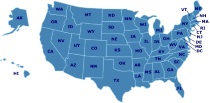
Looking for Another State?
Featured Resources
As an Amazon Associate, we earn from qualifying purchases. We get commissions for purchases made through links on this site.

Montessori: A Modern Approach

The Absorbent Mind

Recovering the Lost Tools of Learning: An Approach to Distinctively Christian Education
Montessori Reading
