Community Outreach
Want to help homeschooling integrate into the community at large? Are you a homeschool group leader who talks with the media or provides information to new and curious homeschoolers? Here are tips to help you present homeschooling to the public and the media.
Community Outreach: Talking About Homeschooling
Homeschoolers and Public Libraries: A Synergistic Relationship
Homeschoolers are commonly heavy users of their local libraries. Libraries can become educational hubs for homeschoolers by providing programming, information, and events. Homeschoolers can help libraries by advocating for libraries and urging lawmakers to support these vital institutions in their communities.
What is a Media Kit and How Do I Make One?
A media kit is a document you provide to potential advertisers and other parties you are interested in working with information about your value as a partner. It is meant to reflect your reach as a blogger. A media kit can be as simple as an ad page with basic blog and social media numbers or as complex as a full-blown demographic study of your readers printed and bound. Whatever kind of media kit you choose to create, remember to be clear and concise.
Marketing to Homeschoolers with Social Media
How homeschoolers interact with social media. Myths about using social media for marketing to the homeschool audience. Social media preferences for the homeschool market.
Can Your Children Explain Why They Homeschool?
Every child is asked a thousand questions in his growing-up years. If that child happens to be homeschooled the tally rises to a million fairly quickly! You know how it is--you can't go through the check-out line in the grocery store without you and your children being riddled with questions. Homeschooled children are questioned by friends, by relatives, by people at church, by strangers, and occasionally by a TV reporter or a legislator. And sometimes well-meaning friends and relatives can't wait to get your children alone so they can find out what they really think and feel.
You will be doing your children and yourself a great service if you teach them how to handle questions in a graceful, confident, knowledgeable way.
Thirteen Ways to Help Your Library Help Homeschoolers
If you’re looking for a way to provide a service for homeschoolers in your community, consider becoming a liaison between your library and homeschoolers. Create activities and events for a homeschool audience. Help establish a homeschool resource center within the library. Coordinate with the library to have a Homeschool Day. Help the library find volunteers. Be an intermediary between the homeschool community and the library. And support your library's budget needs.
Targeting a Message: Homeschoolers and Social Media
Homeschoolers are actually not the easiest marketing targets in general. You might think that we are such a specific subset of the population that we basically have a marketing bullseye on our foreheads, but the truth is that people homeschool their children for such a wide variety of reasons that figuring out where we are coming from can be a full-time job in itself. The one thing homeschoolers DO have in common is their belief that by homeschooling, they are providing a customized education for their child.
The Case for Homeschooling
The public schools are beyond repair. If it is not practical to replace the current system, then at least let those alone who wish to homeschool. Hassle them not. Instead, encourage them and help them. Parents who homeschool their children have three basic complaints against public schools: the lack of academic rigor, the number of maladjusted graduates, and the anti-religious atmosphere. Homeschool advocates claim that homeschooling overcomes these problems. They argue that no matter whether the educational philosophy one holds is that schooling prepares for life or schooling is life, the homeschooled do better. Proponents also claim that private schools are nearly always similar to public schools, so the fundamental criticisms of public schools apply to private schools also, although to a lesser degree.
Homeschooling in the Media
A more complex understanding of homeschooling is emerging in the mainstream media these days. No longer is homeschooling either all good or all bad. Simultaneously, there is a growing appreciation that most homeschoolers do a fine job raising and teaching their children, but that there are a few parents homeschooling children in order to hide abuse.
An Open Letter to My Non-Homeschooling Friends
It can be difficult for friends to understand the changes and challenges a homeschooling family faces. This mom shares her reasons for homeschooling and why her relationship with them is different now.
How the Media Gets It Wrong About Homeschooling
Homeschoolers have gotten their share of bad coverage in the media and in popular culture in the last few years. The publicity on homeschooling runs from atrocious mischaracterization to humorously stereotypical.
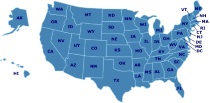
Looking for Another State?
Featured Resources
As an Amazon Associate, we earn from qualifying purchases. We get commissions for purchases made through links on this site.

Ideas and Books: The Method of Education
A selection of Charlotte Mason's writings on the topic of the place of ideas and books in the education of children. Mason's teachings on the topic of education required six large volumes to cover. This book makes it simple for homeschooling parents to find exactly what they need to learn about Charlotte Mason's thoughts on ideas and books. The teachings and philosophies of Charlotte Mason, a British educator from the last century, are currently experiencing a revival, especially among American ...

The Ultimate Book of Homeschooling Ideas: 500+ Fun and Creative Learning Activities for Kids Ages 3-12
Fun and Effective Home Learning Activities for Every SubjectAs a homeschooling parent, you're always looking for new and creative ways to teach your child the basics. Look no longer! Inside this innovative helper, you'll find kid-tested and parent-approved techniques for learning math, science, writing, history, manners, and more that you can easily adapt to your family's homeschooling needs. And even if you don't homeschool, you'll find this book a great teaching tool outside the classroom. You...
The Mystery of History
The Mystery of History series is another alternative to traditional textbooks. The five volume set covers history from creation to present day, with a biblical worldview. This series is intended for grades K-8. Note that at this time, this series is not completed.

The Successful Homeschool Family Handbook
If you are thinking about homeschooling, or are struggling with a educational homeschooling curriculum that is difficult to use, let Dr. Ray and Dorothy Moore show you how to make homeschooling an easy-to-live-with family adventure in learning. This low-stress, low-cost program shows you how to build a curriculum around your child's needs and interests - and around a realistic family schedule. Instead of a cut-and-dried approach, you'll discover the freedom of a flexible program that encourages ...

Morning by Morning : How We Home-Schooled Our African-American Sons to the Ivy League
Home schooling has long been regarded as a last resort, particularly by African-American families. But in this inspirational and practical memoir, Paula Penn-Nabrit shares her intimate experiences of home-schooling her three sons, Charles, Damon, and Evan. Paula and her husband, C. Madison, decided to home-school their children after racial incidents at public and private schools led them to the conclusion that the traditional educational system would be damaging to their sons’ self-esteem...