Biology & Life Sciences
Learn about the human body, plant life, and the animal world. Come see the resources and ideas we've collected to make learning about biology interesting, easy, and fun. From preschool-aged to high school level, you'll find everything you need here.
Things to See & Do in Louisiana
Alexandria Zoological Park
The Alexandria Zoological Park was founded in 1926, encompasses 33 shady acres and is home to more than 600 animals. It is owned and operated by the City of Alexandria, Louisiana. The award winning Louisiana Habitat Exhibit is the zoo's newest addition, which opened in October 1998. This 3.5-acre exhibit features native Louisiana flora and fauna as well as examples of habitats and architecture found throughout the state.
BREC's Baton Rouge Zoo
Over 1,800 animals await you in the beautifully landscaped BREC's Baton Rouge Zoo. You'll enjoy The Otter Pond and L'aquarium de Louisiane, the featuring the fish, reptiles and amphibians of Louisiana. Visit Parrot Paradise, the KidsZoo, and the Cypress Bayou Railroad. Plus, don't miss a live animal show featuring the Zoo's Asian elephants.
Louisiana Children's Museum
Making learning fun for children, the Louisiana Children's Museum in New Orleans offers 30,000 square feet of hands-on fun, engaging exhibits and exciting programs - all designed with curious kids (and grown-ups) in mind. Pilot a towboat down the Mighty Mississippi. Shop until you drop in a pint-size grocery store. Dine in a five-star, role-play café. Ride a bike with Mr. Bones. Lift 500 pounds. Hoist yourself up a wall. Trap your shadow. Anchor the evening news. Stand inside a gigantic bubble. Create a masterful work of art and much more! Even little ones have a special space to climb, crawl, hide and explore.
Audubon Aquarium of the Americas
Recognized as one of the nation’s leading aquariums, Audubon Aquarium of the Americas is located along the banks of the Mississippi River in New Orleans. A visit to the Aquarium spans the underwater world of the Caribbean Sea, the mysterious Amazon Rainforest and the waters that give New Orleans its lifeblood: the Mississippi River and Gulf of Mexico. With 10,000 animals representing 530 species, come see some of our all-time favorite exhibits including the Mississippi River gallery featuring catfish, paddlefish and alligators; the Caribbean Reef exhibit featuring a clear, 30-foot-long tunnel surrounded by aquatic creatures; and the Gulf of Mexico exhibit featuring sharks, sea turtles and stingrays; and the Touch Pool.
Audubon Zoo
The Audubon Zoo is located in Audubon Park in New Orleans and features animal exhibits, educational programs, and special exhibits.
Activities & Experiments
How I Teach a Large Family in a Relaxed, Classical Way: Science
Family style learning is a great way to tackle lots of different subjects, including science.
Handbook of Nature Study
Based on Charlotte Mason's method of education, this website offers ideas and resources for incorporation nature study into your homeschool.
Considering God's Creation
Life science truly comes alive with this 270-page lap-book style notebook for 2nd-7th graders. A Charlotte Mason type discovery approach is easily implemented with creative activities, music and topical Bible studies, making this program a perfect choice for a homeschool family or a classroom. It may be used as a stand-alone science course or as an invaluable supplemental resource for any other program.
ExploraVision
ExploraVision is a competition for all students in grades K-12 attending a school in the U.S., Canada, U.S. Territory or a Department of Defense school. Homeschooled students are eligible to enter. It is designed to encourage students to combine their imagination with their knowledge of science and technology to explore visions of the future. Teams of students select a technology, research how it works and why it was invented, and then project how that technology may change in the future. They must then identify what breakthroughs are required for their vision to become a reality and describe the positive and negative consequences of their technology on society. Winning ideas have focused on things as simple as ballpoint pens and as complex as satellite communications. The student teams write a paper and draw a series of Web page graphics to describe their idea. Regional winners make a Web site and a prototype of their future vision.
Arbor Day National Poster Contest
Join over 74,000 fifth grade classrooms and home schools across America in the Arbor Day National Poster Contest. The theme chosen will increase your students’ knowledge of how trees produce and conserve energy. The free Activity Guide includes activities to use with fifth grade students to teach the importance of trees in producing and conserving energy. These activities correlate with National Science and Social Study Standards. The Guide also includes all of the information you need for poster contest participation.
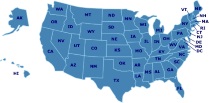
Looking for Another State?
Featured Resources
As an Amazon Associate, we earn from qualifying purchases. We get commissions for purchases made through links on this site.
Explode The Code
Explode The Code provides a sequential, systematic approach to phonics in which students blend sounds to build vocabulary and read words, phrases, sentences, and stories. Frequent review of previously learned concepts helps increase retention. Each workbook in this series contains exercises that incorporate reading, writing, matching and copying. The consistent format of the books helps facilitate independent work. This series includes primers—Get Ready for The Code, Get Set for The Code, and Go...

Traffic: Why We Drive the Way We Do (and What It Says About Us)
In this brilliant, lively, and eye-opening investigation, Tom Vanderbilt examines the perceptual limits and cognitive underpinnings that make us worse drivers than we think we are. He demonstrates why plans to protect pedestrians from cars often lead to more accidents. He uncovers who is more likely to honk at whom, and why. He explains why traffic jams form, outlines the unintended consequences of our quest for safety, and even identifies the most common mistake drivers make in parking lots. Tr...

Morning by Morning : How We Home-Schooled Our African-American Sons to the Ivy League
Home schooling has long been regarded as a last resort, particularly by African-American families. But in this inspirational and practical memoir, Paula Penn-Nabrit shares her intimate experiences of home-schooling her three sons, Charles, Damon, and Evan. Paula and her husband, C. Madison, decided to home-school their children after racial incidents at public and private schools led them to the conclusion that the traditional educational system would be damaging to their sons’ self-esteem...

Homeschooling and Libraries: New Solutions and Opportunities
Homeschools are alwsy looking for alternative ways of schooling that do not necessarily reflect what a typical classroom looks like. Since homeschooling is so diverse across families, information institutions, including public, academic, school, and special libraries may find it challenging to meet all their needs and desires. This collection of essays offers approaches and strategies from library professionals and veteran homeschoolers on how to best serve the needs and experiences of homeschoo...

Recovering the Lost Tools of Learning: An Approach to Distinctively Christian Education
Author Douglas Wilson makes the argument that education must have a foundation of religion, which informs worldview. Education is the asking and answering of questions, and learning to read and write is simply the process of acquiring the tools needed to do that.