Making Your Decision
The reasons people decide to educate their children at home are varied and can be unique to each family. Some look towards a better educational experience, others are concerned with moral and social issues, some are concerned with safety, and still others have special needs that they wish to address. Explore these reasons and others that have led families to homeschooling.
Resources
Homeschooling Pros and Cons

Homeschooling is becoming more popular every day, with a growth rate of 7 to 15 percent per year. There are about two million children currently learning at home. Homeschooled kids do well on standardized tests, are welcome at colleges and universities, and as adults, have a reputation for being self-directed learners and reliable employees. To help other parents who are considering homeschooling, here is a new list of pros and cons.

They're Your Kids: An Inspirational Journey from Self-Doubter to Home School Advocate

For many people, their schooling was uncomfortable, tedious, and sometimes a waste of time and energy. This book offers the idea that the public school system is tragically flawed and that we are able to do better for our own children. Sam Sorbo, mom of three and wife of actor Kevin Sorbo, took the leap into homeschooling and found the joy and success she was seeking. Included are strategies for working parents, those who are scared to take the leap, and anyone who wants the best for their children. 

Taking Charge of Your Child's Education: A Guide to Becoming the Primary Influence in Your Child's Life

Every parent wants to give their child the best start in life. The best way to do that is to get fully involved in their educational process as their primary influence. This book is full of helpful information, resources, and tools that will lead you to home education success. Erica Arndt recognizes that the most important factor is the family unit relationships. This book will help you as you make your decision to homeschool. 

Why We Homeschool

It is a common misconception that most parents homeschool due to bullies, school shootings, or bad teaching content. While these things are important, there is a higher purpose for choosing to home education your children. Even if all those things were corrected, there are stronger reasons to stay committed to the homeschool model. So why do you homeschool? This book looks at the meaning and significance of a true Christian education. 

How to Start Homeschooling
When you've made the decision to homeschool, where do you start? This guide from Sonlight Curriculum explains the pros and cons of a home education lifestyle, offers free resources, and has a How to Start Homeschooling checklist to help you connect with other homeschooling families, create your homeschool vision, and choose curriculum. 
10 Advantages Of Homeschooling That You Really Can't Argue With

While most parents just expect and plan to send their kids to a public school, a growing number of American families are re-envisioning their education philosophy, deciding to teach their children at home. And indeed, there are several advantages to homeschooling, including more family time, using your preferred curriculum, safety, learning at their own pace, and more quality time. 

Homeschool Bravely: How to Squash Doubt, Trust God, and Teach Your Child with Confidence

It's time to change your perspective to transform the way you plan, teach, and homeschool. This book helps you to see homeschooling as a calling. With this mindset, you'll be able to dismiss the stress of impossible expectations. Find strategies to help you juggle the logistics of homeschooling with different ages, be a good support for a struggling learner, set realistic goals, dismiss the guilt, and weather any criticism. You can be a hopeful homeschooler! God uses all for good and can transform all of your stress, fears, shortcomings, and successes to create the best plans for your family. 

Why Homeschool?
Families have various reasons for homeschooling. By examining your own reasons, your relationship with God, and your goals for your children, you'll will find your direction. Reasons for homeschooling include faith reasons, educational reasons, and relational reasons. 
Why do some people choose to homeschool their kids?

More and more American parents are choosing to educate their children at home. What accounts for this trend? Reasons include faith preferences, the individual approach to education, and a desire for a stronger family unit. 

10 Honest Reasons Parents Choose to Homeschool and the Politically Correct Defense We Hide Behind

There are so many reasons to homeschool. Is everyone's reason different or are there common reasons we homeschool? While there are lots of answers to smooth over any uncomfortable probing questions from strangers and sometimes family, these reasons are honest reflections of the choices of homeschooling family. 

Making Your Decision to Homeschool
100 Reasons Why Homeschooling is Good for Families
Homeschooling is good for families! This creative lists looks at 100 ways that homeschooling can enrich the lives of your children, yourself and your spouse.
5 Reasons I Homeschool My Kids (By A Surprisingly Sane Mom)
Why would a family with no religious affiliation opt out of the standard school model? The short answer is that the stakes were too high not to. The long answer is in the rest of this article. From freedom, to a miserable experience for those working in the school system, to excessive homework, to unnatural socialization ideals in school settings, to the ability to follow your own path, this mom lists the reasons that compelled her to strike a different plan for her child.
55 Serious Reasons Why You Should Homeschool
Here are dozens of reasons why you should homeschool. Families and teachers worldwide have been convinced that government controlled schools are “better” for children, but this is often not the case. Homeschooling is the best approach to improving quality of life in all aspects of the home and family. 
What is Unschooling and Why Do Parents Consider It?

Unschooling is fueled by curiosity-driven experiences. It is estimated that about 13 percent of homeschooled children learn through unschooling. Unschooling will look different for every family, but it is founded on the idea of following the child's interests and giving the space and freedom to explore those interests. 

Deciding To Homeschool Is Not About If You'll Do a Good Job
There is so much research about how useless school is that you have to be in complete denial to put your kids in school. Penelope Trunk details why the choice to homeschool was a no-brainer for her.
Why Do People Homeschool?
A look at the academic advantages of choosing to homeschool your child. These benefits come from the opportunity for an excellent education, the inevitability of a dedicated teacher, and education tailored to a child's capabilities and personality, integrated and consistent education, and better teaching materials.
Should I Homeschool Or Not
To homeschool or not to homeschool, that may be your question. And that only leads to more questions: How do I know if I should or not? What should I even start to think about? What about curriculum? If you have at all considered homeschooling these questions have probably run through your mind.
Your School Sucks
There is a cognitive dissonance about public schools. Everyone knows public schools in the US are terrible, but everyone thinks their school is the exception. The reality is that your school would be the exception only if it teaches using project-based learning. Which it doesn’t. The public schools that are exceptional are exceptional at teaching to the test – a process that’s widely discredited. Give your kids more credit than that. Reformers say child-driven learning and project-based learning are best. Parents are the only educators in a position to do that. So all kids will get a better education at home. 
8 Powerful Reasons Why I Unschool My Kids

Nina Palmo explains the benefits of unschooling by looking at the benefits this model offers. These benefits include better learning, innovative thinking, passion about learning, good preparation for college and the workforce, and even more what the exact point of learning is (hint: it's not just to go to college or enter the workforce). Unschoolers don't have all the answers, but they do dig deep to find the best way to help their children find joy and power in learning. 

Our Family's Decision to Homeschool
One mom shares her decision to homeschool her daughter after eight years in a Montessori school.
How to Decide If You Should Homeschool
Homeschooling is a big decision. But it may be exactly what your family needs. Think through your educational options with these free homeschool resources.
Why Unschool?

Unschooling can seem impossible to understand for many people, but in fact, it is well-reasoned, tested, and has been successfully implemented by families around the world. The evidence shows that unschooling leads to life-long learning, happy successful individuals, better family connections, and a true and joyful love of learning. 

Homeschool is a How-To-Live Decision, Not a How-To-Learn Decision
Homeschooling is a huge family decision. It's not a schooling decision. It's a decision about what the values of a family are. Deciding to homeschool or not is a fundamental decision about family life. There is a point when kids can decide for themselves, but it's when kids are independent enough that schooling is not so much a family decision.
Why Unschool?

This website is presented by two unschooled siblings who have since grown up and are happy to share their experiences with this educational model. Unschooling provides so many opportunities for children to learn about the world without the constraints of a classroom by celebrating a natural love of learning. Families and children can benefit from this wonderful way of learning. 

Why Unschooling?

Does unschooling mean that your children just hate school? Not at all! Some children learn best in a classroom, but not all do. For those who don't, unschooling might just be the best approach. Children who are unschooled grow to be independent learners and thinkers and enjoy the perspective of being their own best teacher. Rather than asking, "Why unschool?" perhaps the better question is, "Why school?"

3 Reasons NOT to Homeschool
Each family comes with its own dynamic – a beautifully complicated medley of philosophies and needs involving a family’s heritage or culture, parenting style, financial stability, spiritual or religious preference, communication, and of course, educational goals and background. It may not be the right choice for a family to homeschool. These reasons not to homeschool can give you some food for thought.
Guerrilla Learning: How to Give Your Kids a Real Education With or Without School

If you’ve ever felt that your child wasn’t flourishing in school or simply needs something the experts aren’t supplying, you’re ready to become a "guerrilla educator." this books explains what’s wrong (and what’s useful) about our traditional schools and shows you how to take charge of your family’s education to raise thinking, creative young people despite the constraints of traditional schooling. Filled with fun and exciting exercises and projects to do with children of all ages, this remarkable approach to childhood, education, and life will help you release your child’s innate abilities and empower him or her in the wider world that awaits beyond the school walls.

Why the Future of Education is Unschooling

According to John Holt, unschooling allows children the freedom to learn in the world on their own terms. He saw no distinction between learning and living a meaningful life. Learning is a natural process and works best when integrated into the spaces and activities of everyday life. This article takes a look at some of John Holt's philosophy of education and explains why unschooling is often the very best choice of educational model. 

50 Reasons Homeschooled Kids Love Being Homeschooled
Do kids like to be homeschooled? Here are some responses from homeschooled kids, revealing the common and not-so-common benefits for kids when they are home educated.
101 Reasons to Unschool

Wondering why anyone would unschool their children? Well, here are lots of reasons why unschooling is a good choice. From the fun aspect, to the superior learning, to the avoidance of the unpleasant parts of school, this list gives you lots to think about if you are considering the unschooling approach to the education of your children. 

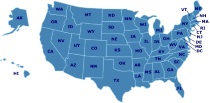
Looking for Another State?
Featured Resources

As an Amazon Associate, we earn from qualifying purchases. We get commissions for purchases made through links on this site.

For the Learners' Sake: Brain-Based Instruction for the 21st Century
This proposal for a platform of education reform needed to prepare students for a 21st-century workplace and society draws on information and ideas from two current areas in neuroscience: brain research (physiology and applications to learning) and systems thinking (mental models). Analyzing the history of education methodology over the past two centuries, this book shows how the 19th-century factory model prevalent in schools today fail to produce the kinds of flexible thinkers and problem solv...
The Grammar Of Our Civility: Classical Education In America
This book explains the history of classical education in America and offers a vision for the role of classical education in 21st century America. 
A Reason For® Reading
A Reason For® Reading offers a series of over 100 Leveled Readers that provide small increases in difficulty from level to level. These colorful books feature Scripture stories and Christian value themes. Story Guides include high-frequency words, teaching ideas, discussion questions, and much more.
The Unschooling Handbook : How to Use the Whole World As Your Child's Classroom
Unschooling, a homeschooling method based on the belief that kids learn best when allowed to pursue their natural curiosities and interests, is practiced by 10 to 15 percent of the estimated 1.5 million homeschoolers in the United States. There is no curriculum or master plan for allowing children to decide when, what, and how they will learn, but veteran homeschooler Mary Griffith comes as close as you can get in this slim manual. Written in a conversational, salon-style manner, The Unschooling...
The Story of the World
This book series by Susan Wise Bauer is another that is best enjoyed as a read aloud rather than seen as a history textbook. It is full of engaging stories, mixing facts and historical legends. The companion study guides offer questions, narration exercises, activities, crafts, and reproducible pages. There are also lists for each chapter of supplemental books that are easily found at your local library. Story of the World: History for the Classical Child, Volume 1: Ancient Times (From the Ear...